

On September 2, 2025, U.S. District Judge Charles Breyer delivered a strong opinion: the Trump administration’s deployment of National Guard troops and Marines to Los Angeles to enforce immigration policy and respond to protests violated Posse Comitatus – the law banning military forces from being employed for law enforcement purposes. Judge Breyer labeled the deployment an “intentional overreach,” and criticized the government for not coordinating with the state and misrepresenting the roles of the troops, and even coached language in the orders to use when framing their being there as legitimate
Whether the 4,000 National Guard soldiers and 700 Marines who had deployed in the early summer, with around 250 remaining as of the judge’s ruling, the court did not order an immediate withdrawal of the troops, but issued an injunction that was to take effect on September 12, 2025, and give the administration a time frame for appeal.
2. State Defiance and Political Fallout
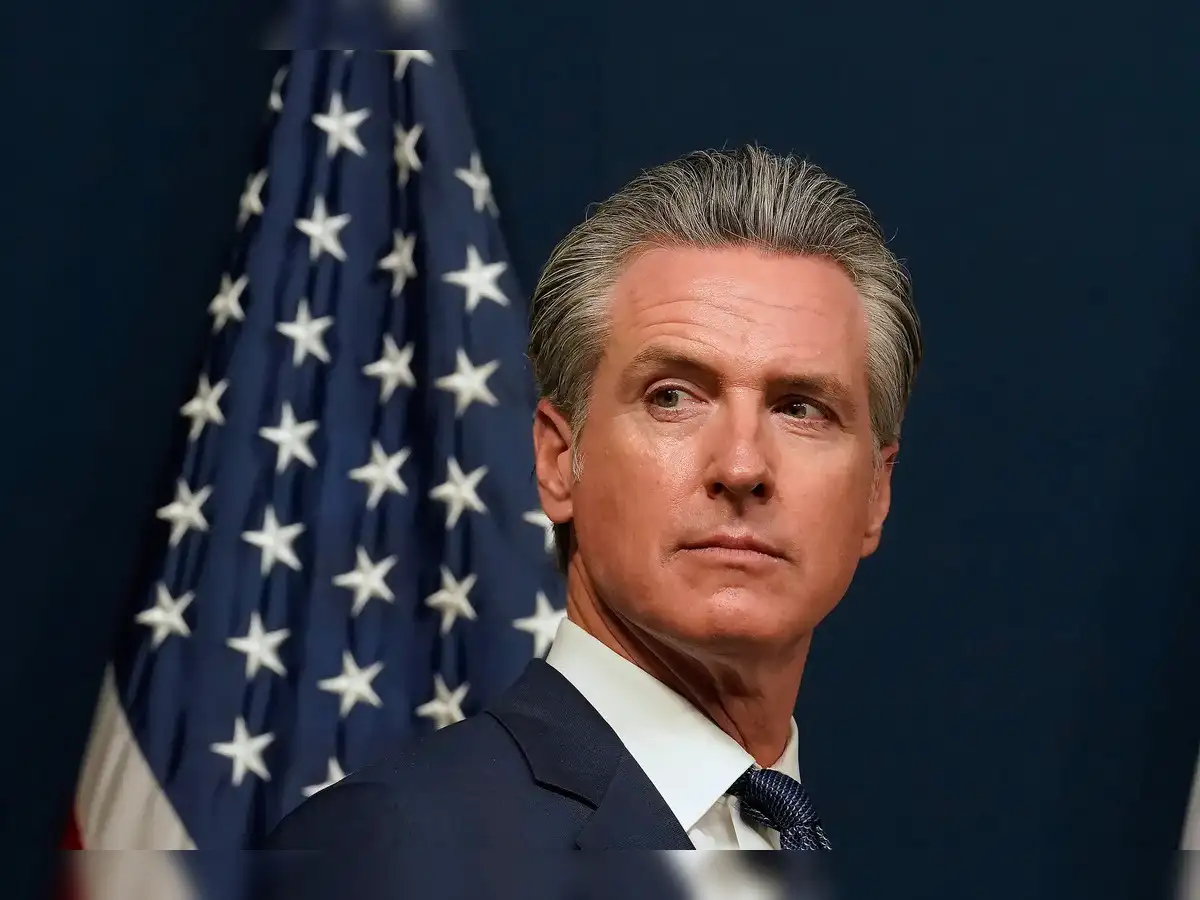
California Governor Gavin Newsom, an ardent opponent of the deployment, called the ruling “Trump loses again,” while agreeing with the judge that this would involve what Newsom called the militarization of our streets. The case—the subject of the Newsom v. Trump lawsuit—involves important constitutional questions regarding federal power. Judge Breyer had previously issued a temporary restraining order in June, which was stayed on appeal, allowing for the deployment to remain in place through the summer. The September ruling went farther because it issued a wider-form injunction pending appeal.
3. Implications for National Power and Future Deployments
Outside California, the ruling has raised potential alarm for expanded troop deployments in the other urban centers—Chicago, Baltimore, and New York—where the Trump administration had talked of expanded military forces in relation to unrest. Legal experts stated that this case could establish a long term precedent limiting presidential authority over unilaterally ordering a militarized presence in domestic settings. At its core, however, the ruling stands for the concept that U.S. states have sovereignty over law enforcement actions within their respective territory, and that the military can never replace local authorities—regardless of how compelling the justification for national security appears. click here for the source