
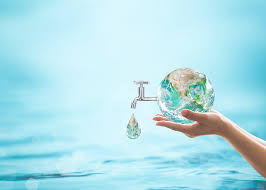
Reuters reports a global water crisis as World Water Day approaches. The UN says misuse of the world’s water supply could lead to irreversible water “bankruptcy.”
Freshwater is being depleted from the planet from overuse, pollution, and climate change. Experts have stated that water cannot be viewed as an environmental issue any longer – it has now become an economic, political, and humanitarian issue globally.
As countries struggle to accommodate the increasing demands of populations and industry and promote sustainability, if immediate action is not taken to reverse water shortages, billions of people will suffer extreme water shortages within several decades.
Read more- Iran War Day 10: Escalating Missile Strikes and Rising Tensions in the Middle East
Wetlands Disappearing & Biodiversity Collapse
A recent report issued by the World Wildlife Fund (WWF) cites alarming trends. The organisation claims that a third of the planet’s wetland areas have been lost since 1970. Furthermore, global freshwater populations of animals have declined by 85%.
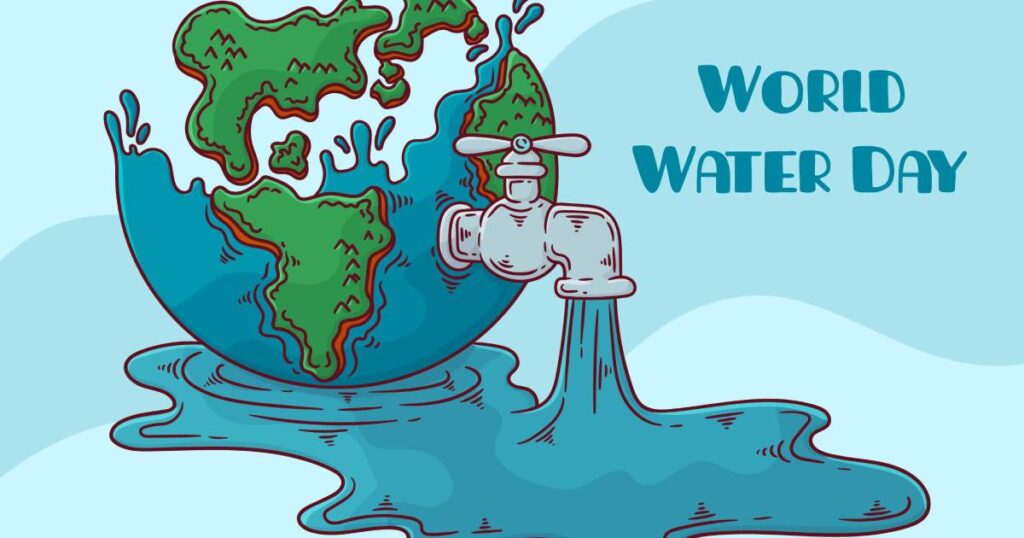
Wetlands are critical for maintaining ecological systems as they serve as natural filters, storing water & helping reduce flooding, and providing habitats for animals of all types. Therefore, when wetlands are lost, wildlife becomes imperilled and global water security is diminished.
Wetlands are disappearing mainly due to pollution, urbanization/destruction, introduced species and climate change. Experts warn that restoring rivers and wetlands should be a priority in order to ensure a secure global water supply.
Women Bear the Burden of Water Scarcity
The Theme: “Water and Gender.” The Global Water Crisis has had a negative impact on Women and Girl’s Rights and the ability to fulfill basic human needs. Around 1 in 11 people globally do not have access to drinking water, and Women and Girls are among the most disproportionately affected by this crisis.
Women are often required to travel long distances to collect water on a daily basis in conflict zones like Lebanon, which adversely affects their overall health. Women’s inability to access clean water also reduces their access to education and job opportunities.
World Vision has documented reports of displaced women living in shelters with poor sanitation facilities, overcrowding, and significant health risks.
Water is now considered globally as a resource of strategic significance; thus, the continuing crisis with respect to water, water supply systems, and inadequate infrastructure demonstrates that the water crisis and its impact on women and girls is also a crisis of social justice and inequality.
The Global Economic Impact of Conflict, the Global Water Crisis, and the Rising Risk of Disrupted Water Resources.
In addition, geopolitical tensions make the water supply operation (and ultimately, the water crisis) worse. European Leaders have also called upon countries to stop attacking water and energy infrastructure in the Middle East as essential resources to human life cannot be attacked during times of armed conflict.
Furthermore, as the crisis continues, Water has transitioned from being just an essential resource; now, Water Worldwide is also strategically used during armed conflict to directly affect water supply systems.
Read more- Iran War Enters Second Week as U.S., Israel and Iran Dig In
While the water crisis negatively impacts the global economy, this crisis can also be used to realize profit, as evidenced by the continued increase in the cost of bottled water in India as a result of material costs relating to geopolitical instability have when combined resulted in increases in bottled water costs of about 11%. To help lessen the economic impacts of water and the crisis, the Alliance for Water Stewardship has created more stringent standards globally for companies to follow regarding water usage and supplies.
Conclusion: A Turning Point for Global Action
World Water Day 2026 has produced an alarming report. There is an urgent need for action, as the current global water crisis is getting worse due to various factors, including ecosystems disappearing, growing inequality and global conflict caused by water shortages.
This doesn’t have to be the end of the world; we can change things around with innovative ideas, better regulations, and collaboration among countries. The example set by Kaveh Madani, who has recently been awarded a prestigious Stockholm Water Prize, demonstrates that with the right leadership and science, real change can happen.
This isn’t just about water; it’s a life/sustainability issue for everyone. Due to this reason, acting now along with everyone else around the world isn’t merely a possibility; it’s absolutely necessary! click here for the source