
The National Green Tribunal (NGT) recently provided India’s ambitious vision for turning Great Nicobar Island into a strategic economic hub with a significant legal victory through its decision to leave in place the project’s environmental clearance and thereby remove one of the most significant legal barriers to the construction of the project.
The project includes the development of a transshipment port, an airport, an integrated township, and associated infrastructure; all of which would significantly enhance India’s strategic presence near the Strait of Malacca, one of the world’s most active marine trade routes.
In its ruling, the NGT stated that “sufficient protections have been provided” to support the issuance of the existing environmental clearance (EC), and that sufficient evidence is available under existing coastal regulation regulations to permit the construction of the project. The findings on the basis of which the NGT made its decision were provided to the tribunal by a High- Powered Committee that had been appointed by the Government of India to reconsider the key components of the original clearance determination.
Read more- An Unprecedented Nuclear Rhetoric in the Russia Ukraine Conflict
Ecological Fragility and Biodiversity at Stake
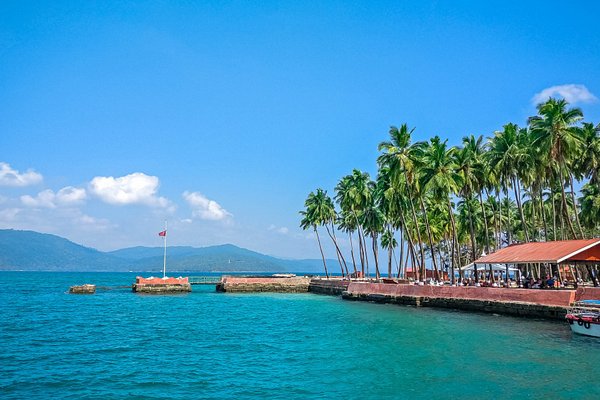
The Great Nicobar Island has more to offer than just being a geographic landmark and is one of India’s most delicate ecosystems with an abundance of flora and fauna; additionally, more than half of the island falls within the Great Nicobar Biosphere Reserve and is covered in rainforest and mangrove forests as well as well-known hatching areas like Galathea Bay where the critically endangered giant leatherback marine turtle hatches its young.
Constructing large-scale new infrastructure on the fragile ecosystem will create a multitude of challenges for the infrastructure contractor. The proposed Great Nicobar infrastructure development project will require the removal of approximately 130 square kilometres of undisturbed forest (i.e. The Great Nicobar Island) and the removal of approximately one million trees, a loss that could be permanent habitat degradation and loss of biodiversity.
The re-development of the coastal marine ecosystem around Galathea Bay is equally at risk. The construction of a transshipping port in Galathea Bay has the potential to harm the local coral reef systems and change the sediment movement patterns off the coast; ultimately, this may affect the turtle hatchery area and the habitat of many fish species.
The geological and climatic fragility of Great Nicobar Island significantly compounds the risks to the ecological community. Great Nicobar is located in a seismically active area, highly exposed to sea-level rise and extreme weather events, which raises questions about the long-term viability of large, permanent infrastructure on the island.
Indigenous Rights and Ethical Dilemmas
In addition to being an environmental issue, the Great Nicobar project raises serious ethical governance and indigenous rights issues. A large majority of the area’s earmarked for development includes land that belongs to the tribal communities of the Nicobar Islands (i.e., the Nicobarese and the Shompen). Both groups of people who have long inhabited the Nicobar Islands feel that they were not consulted nor provided with free, prior and informed consent prior to the issuance of clearances for developing the project.
The Forest Rights Act of 2006 requires Indigenous peoples’ community rights to be recognised, established and respected prior to diverting any forest land. Many critics believe that this statutory requirement has not been followed in the case of developing the great Nicobar project, resulting in numerous legal and ethical issues.
Numerous human rights organisations and international monitoring bodies have warned against the negative social and health consequences that will result from exposing usually isolated Indigenous nations/religion-based communities to a large influx of Europeans and those from other cultures, particularly given their limited immunity to illness and their cultural isolation.
Conclusion: Weighing Progress Against Preservation
The Great Nicobar Island project represents a crossroads between progress and preservation, manifesting India’s ambition to be a global competitor with other major trading hubs, and sparking intense debate about environmental protection and the rights of indigenous peoples. The recent ruling by the National Green Tribunal eliminates legal obstacles, but at the same time highlights a broader dilemma on how to reconcile economic and strategic goals with the immediate need to protect biodiversity and cultural heritage. Whether the legal and environmental protections promised will actually be implemented in practice is uncertain; thus, whether this expansive project will serve as a model of sustainable development or a cautionary example of ecologically compromised development will remain unclear until time has passed. click here for the source