

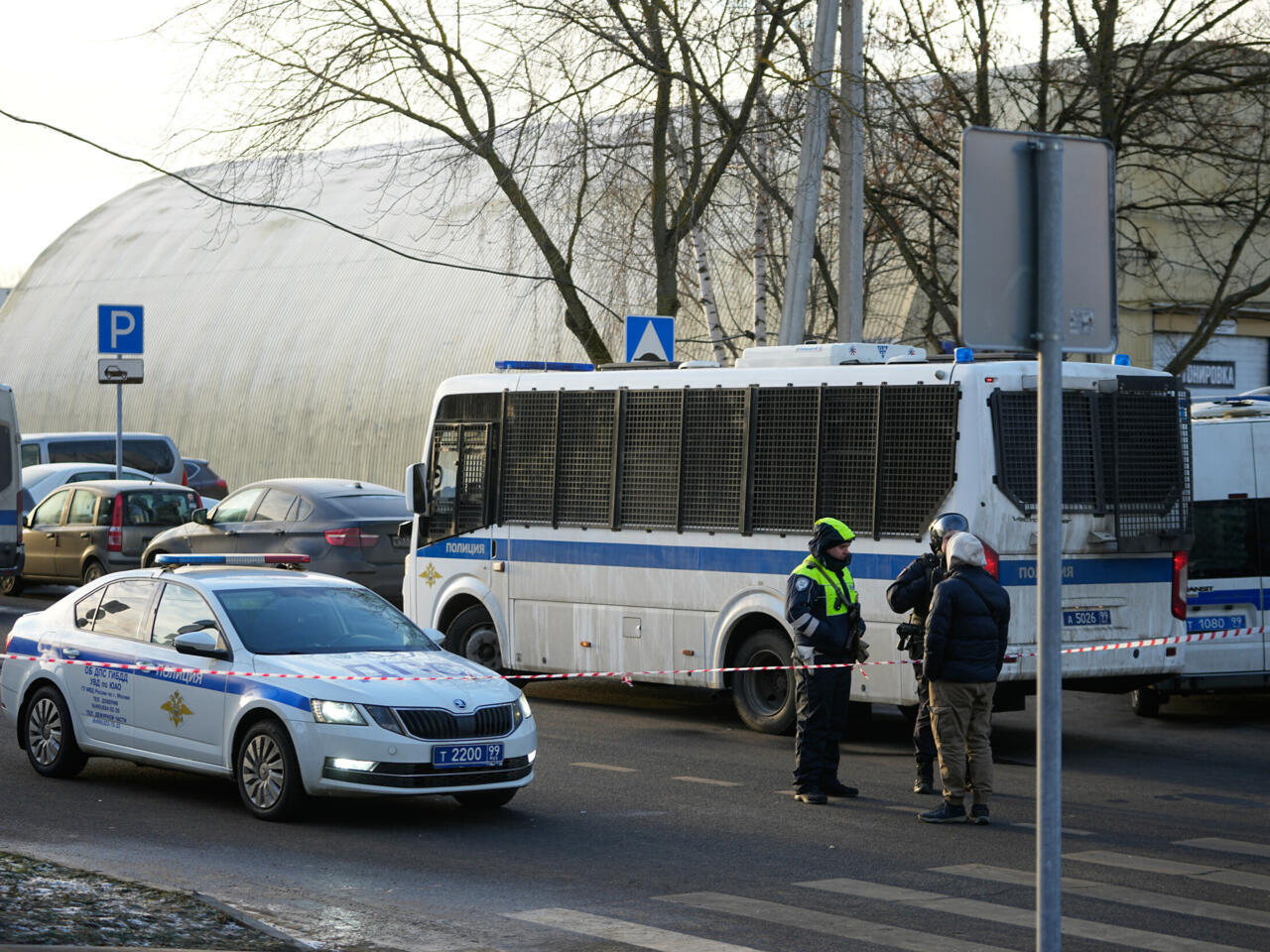
.On December 24, 2025, an explosion occurred in southern Moscow adjoining Yeletskaya Street that killed 3 men including 2 traffic police officers. The blast site also bore witness to the death of a Senior Russian General just days earlier. The Investigative Committee of Russia reported that the deceased traffic police officers were Lieutenant’s Ilya Klimanov (24) and Maxim Gorbunov (25), both have been members of the Moscow Traffic Police for only a couple of years, responding to a “suspicious person,” about the time of the explosion.
The identity of the 3rd victim, believed to either be the suspect or an innocent bystander, is as yet unknown.
Link to Recent Car Bombing of a Russian General
The explosion took place only a few days after **career bomber Lieutenant General Fanil Sarvarov was assassinated when he left a parking garage in south Moscow. On 22 December 2025, the assassination of Sarovarov represented yet another high profile assassination in Moscow, and one of several such explosions in recent months.
Reports indicate that the 56 year old Sarovarov was targeted via a detonation of an explosive device hidden under his vehicle. Investigators confirmed the explosion to be a result of the assassination of Sarovarov. Further, criminal investigations into his death have already begun.
According to authorities in Russia, there is a possibility of involvement by Ukrainian intelligence in the assassinations of high-ranking Russian military members in similar attacks; however, no official comment has been made by Ukrainian officials on Sarovarov’s assassination.
Read more- JD Vance Walks the Line, 5 Key Ways the Israel Debate Is Shocking MAGA Politics
Rising Security Concerns in Moscow
Security was already a major concern in the Russian capital and after the blast, the level of concern was raised because it has occurred during the ongoing conflict between Russia and Ukraine.
The Russian capital has become a site of multiple detonations aimed at military personnel and law enforcement personnel, disrupting the idea that Moscow was more protected from the effects of violence found on battlefields. There is growing suspicion among experts about the potential vulnerabilities present in the internal security infrastructure of Moscow.
Experts have identified a similar factor between these bombings and targeted assassinations of individuals associated with military operation or enforcement duties. Russia’s Investigative Committee and multiple agencies have dramatically expanded the scope of their investigations when attempting to discover the various types of potential connections, the motives behind these acts, and the potential for foreign involvement.
The tragic deaths of General Sarvarov and the explosion that resulted in the fatalities of police officers reveal that the streets of Moscow are becoming increasingly dangerous for individuals in law enforcement as well as military command. The events have also increased tension and anxiety in political and civil circles.
Broader Geopolitical Implications
Russia has experienced an increase of violent events in Moscow recently. This increase has occurred in conjunction with the ongoing conflict with Ukraine, which has lasted almost four years and created a significant amount of tension between the two nations. Moscow’s regime has consistently blamed Ukraine and its intelligence agencies for conducting targeted violence on Russian soil; however, Ukraine has not publicly acknowledged or denied its involvement in these incidents.Political analysts believe that these types of attacks increase distrust and heighten the atmosphere of psychology surrounding the conflict, whether initiated by state actors, proxies, or militant groups.
Russia has been faced with calls for increased domestic security, enhanced intelligence operations against perceived enemies, and rapid retribution. On the contrary, diplomatic efforts to reduce the violence and reach a negotiated solution to the Ukraine conflict have faded into obscurity, while at the same time making the quest for a negotiated solution more complex.


