
Military action has now escalated into an even more dangerous stage of the current war involving Iran, Israel, and America where military strikes continue throughout the Middle East. The Israeli Air Force has conducted mass attacks on Iranian targets in cities such as Tehran & Isfahan and have attacked Hezbollah targets outside of Israel, in Lebanon.
In retaliation, missiles & drones have begun to be used by Iran in its war against all three of the other states that are currently engaged in aggression against them; this will escalate and enlarge the war.
The entire region has experienced impacts from the ongoing war because of how it is now occurring beyond just certain parts of the Middle East due mostly to missile launches toward and being intercepted in Turkey, Qatar, & UAE. And there are growing fears across all the regional nations involved in this ongoing crisis/conflict that it could eventually expand into a larger international conflict involving many other nations.
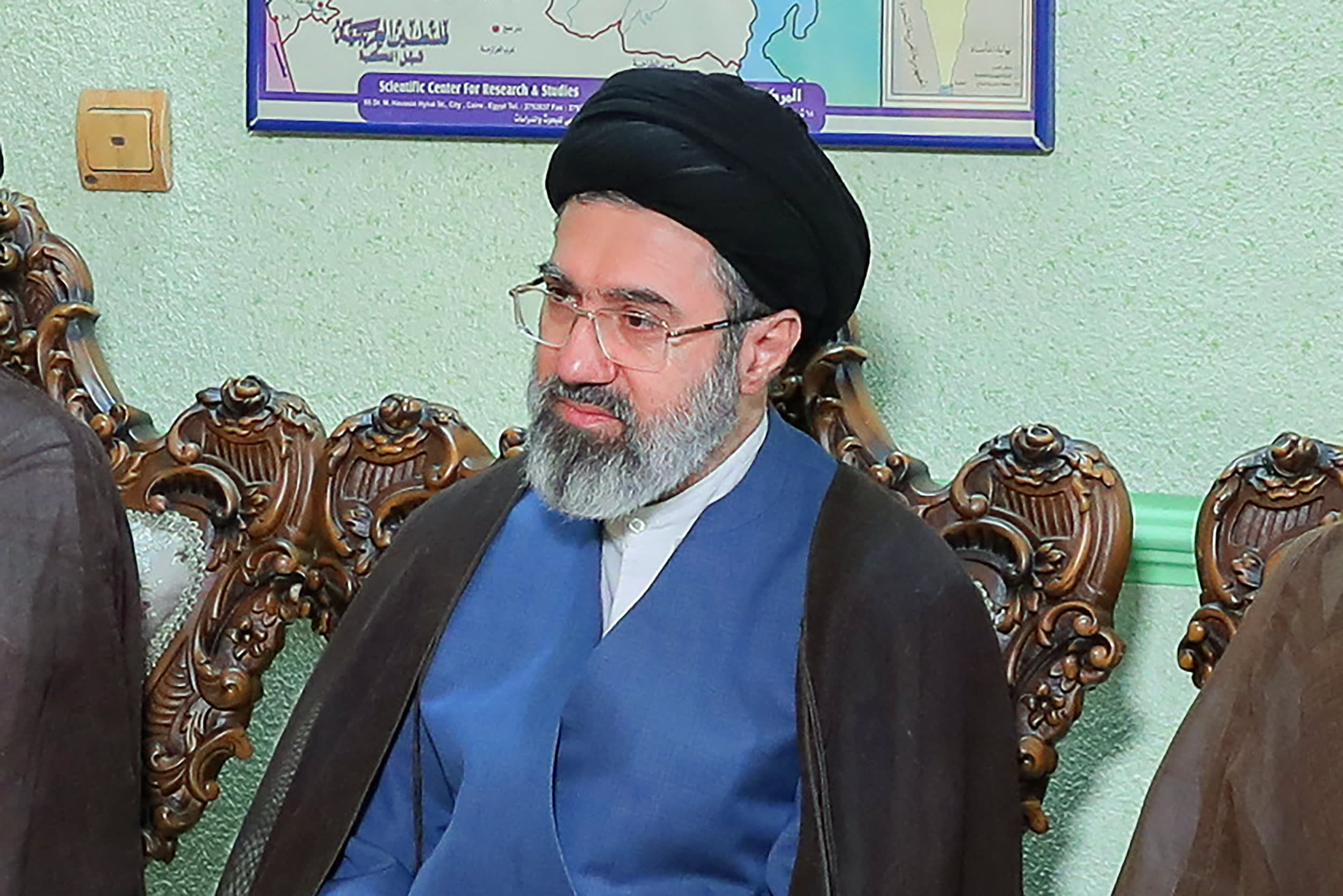
Mojtaba Khamenei Appointed as Iran’s New Supreme Leader
A significant change in Iranian politics has resulted from the ongoing war: mojtab Khamenei has become the new supreme leader of iran. As former ayatollah ali khamenei’s son, mojtab will be in complete control of iran’s military and nuclear strategies.
The timing of this change could not be worse for the current state of iran. Many analysts see the appointment as evidence that iran will not change its aggressive and hard-line stance toward both its enemies and allies in the region. Countries around the world, including the united states, have reacted to the aggressive moves made by the new leader, and have conveyed their displeasure at these actions as well as their concerns about some potential future consequences should tensions increase even more.
As far as diplomatic options for defusing the crisis go, those seem pretty limited right now. The iranians made it very clear that they are unwilling to enter into negotiations as long as they are under fire, which does not bode well for a reasonably fast end to this crisis.
Read more- How the Iran –Israel War Quickly Engulfed the Middle East and Threatened Civilians
Oil Prices Surge Above $100 Amid Global Supply Fears
Immediate global impacts of this conflict include substantial increases in oil prices, specifically Brent crude oil exceeding $100 per barrel for the first time in several years as market participants respond to fears regarding supply potential shortages within the Middle East.
The price spike comes primarily out of fears related to possible supply disruptions that may occur in the Strait of Hormuz, one of the world’s most critical oil transit areas through which approximately twenty percent of the world’s oil flows; therefore any disruption there has the potential to substantially affect world energy markets and prices.
Additionally, rising oil prices have negatively impacted stock prices and raised inflationary concerns worldwide. If the conflict continues for an extended period of time, economists indicate that this could result in further increases in oil price and potentially lead to economic slowdown on a global basis.
Global Tensions and Diplomatic Efforts Continue
As global tensions rise; world leaders are rushing to react. The G7 countries’ continuing discussions about whether or not to release their strategic oil reserves as part of attempts to stabilize the world’s energy markets, have also resulted in additional military readiness nations increasing presence in the region, through land-based forces and naval assets that will protect key international trade routes and force “fair trade” practices. In addition to the military activity, international organizations are urging the immediate use of diplomacy and negotiation before the situation escalates into a wider war.
Millions of lives hang in the balance as casualties continue to mount, while economic shockwaves reverberate through economies worldwide; rising tensions in the geopolitical arena are making the conflict between Iran, Israel, and the U.S. an emerging crises of national or global proportions through 2026.