
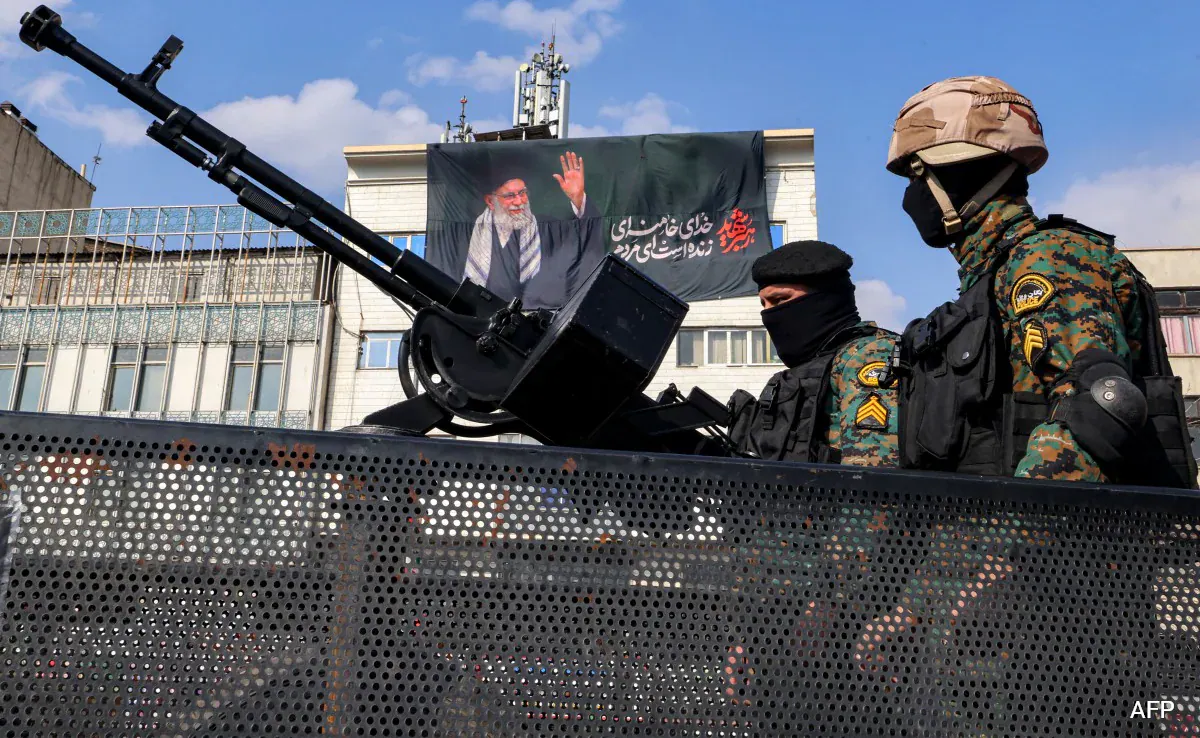
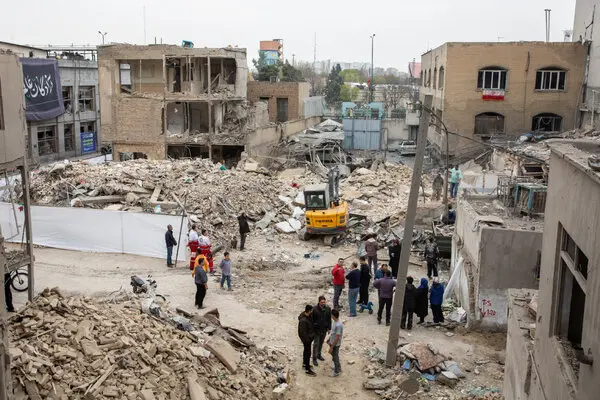
Within a 10 days’ time frame of the ongoing conflict, the Iranian government has entered into another major escalation regarding their military conflict with Israel, via the launch of missile attacks directed at Israel itself. These missiles have been intercepted by the air defense system of Israel, yet numerous pieces of debris resulting from the interaction of the interception of the missiles had reportedly fallen to earth within various areas of the country.
The justification for the recent missile attacks is viewed as retaliation for continued bombing missions by both US and Israeli military forces attacking perceived Iranian military installations. Examples of the locations attacked include military installations, missile launching facilities, and other strategic military facilities.
As a result, the air raid sirens were activated in multiple Israeli cities and citizens were directed to take shelter from incoming missile attacks. Many of the missiles were successfully intercepted; however, due to the high frequency with which these missiles were launched/received/taken out, the civilians have great fear that they will be used again, and have greatly increased tensions within the area.
Analysts indicate that there is no willingness for either side to begin to de-escalate the exchanging of missiles, which shows that the ongoing conflict has the potential to continue for an extended period (weeks).
Read more- Iran War Enters Second Week as U.S., Israel and Iran Dig In
US and Israel Continue Major Airstrikes in Iran
The massive aerial assault against Iran is being conducted by the US and Israel. The IDF has claimed that they’ve successfully struck the traditional Air Force of the Islamic Revolutionary Guard Corps.
In addition to attacking the IRGC’s traditional Air Force, the US and Israel are also targeting a larger array of military targets throughout Iran in order to diminish Iran’s military capabilities, such as its missile systems and command/control structures.
Since the war began, many different locations throughout Iran have experienced aerial bombardments; these include military bases, oil refineries and extraction facilities, and weapons production facilities. In addition to considerable damage to these facilities, Iran has also been compelled to move significant military forces from around the country in response to these attacks.
The continual bombing of Iranian cities has also raised international concern for those living in the conflict zone.
Rising Casualties and Humanitarian Concerns
As the war continues, casualties are mounting in both the Iranian and Israeli military at a rapid pace. Recent reports indicate over 1,200 individuals have died due to Iranian bombings, most likely civilians. Hospitals and health facilities have also suffered massive damage, adding to the already overburdened Iranian medical system.
While in Israel, civilians are at risk of missile attacks and are frequently forced into shelters where they will wait for long periods of time until sirens alert them to incoming rockets.
The continuing bombings of urban areas will exacerbate the already grave humanitarian crisis in the region and result in greater numbers of innocent deaths, according to human rights groups. click here for source
Fears of a Wider Regional War
Concerns are growing regarding the conflict being expanded throughout the Middle East as various Iranian allies and militia groups have been seen engaging in activities which raise the likelihood of a broader regional confrontation.
Some Analysts have warned that if multiple other countries were to engage, it could destabilize the entire region and disrupt energy resources globally, creating a major geopolitical crisis.
No clear evidence has emerged of progress towards any form of negotiations between involved parties despite mounting international demands for ceasefire.
As such, this ongoing assault continues to escalate while the world closely observes developments in the highly unstable region of the Middle East.