
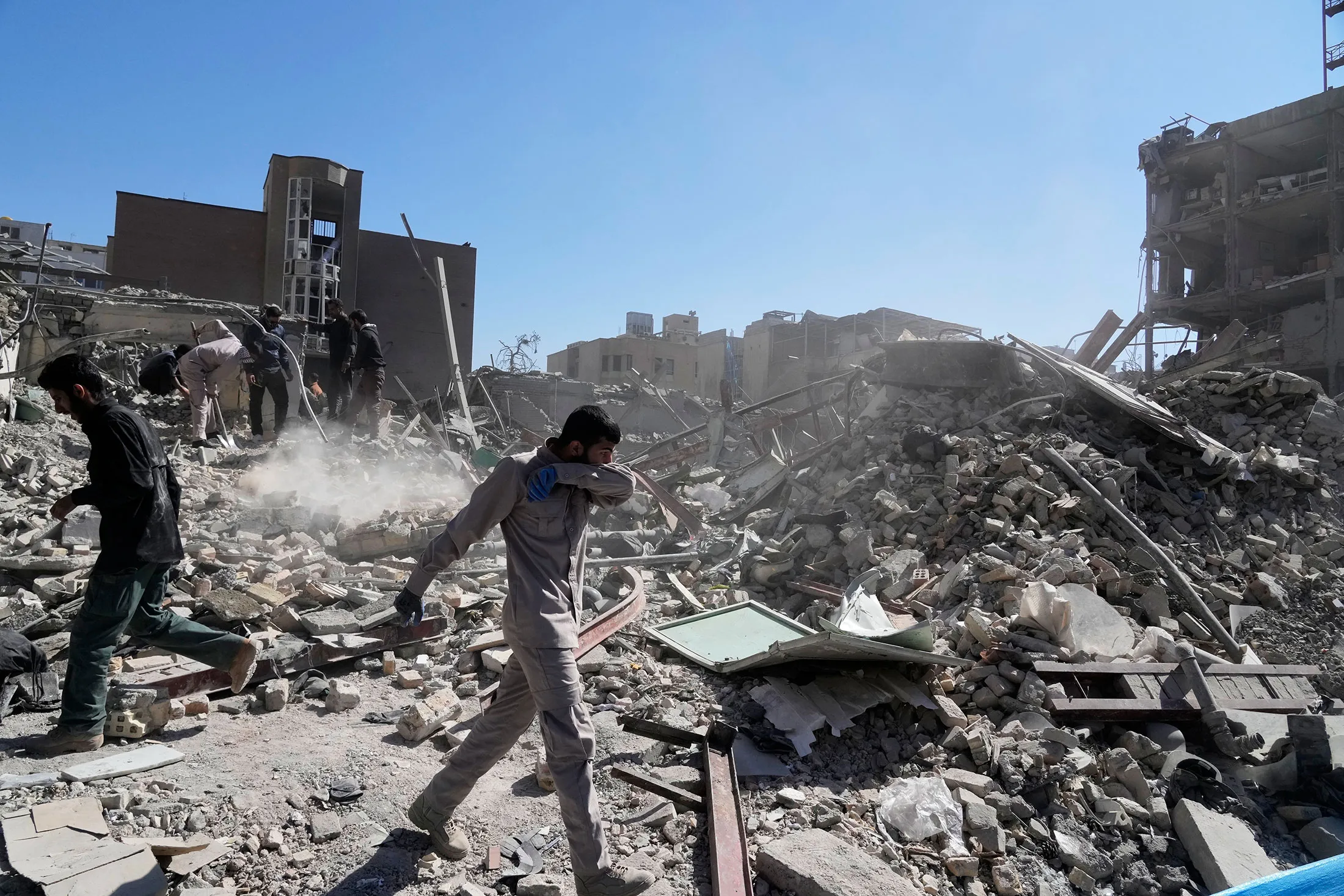
The United States, Iran, and Israel have increased tensions between each other resulting in difficulties for civilians trying to survive as a normal life can no longer exist in Iran. Daily bombings have made it difficult for many people to feel safe from being wounded or killed from these bombings, plus with all of the explosions and air raid sirens that are part of their day-to-day existence, many civilians have made changes to their daily routine or are going to shelters almost every day.
Many people, however, continue to go to work, shop for groceries in the stores and try to live a normal life in spite of the continuous bombings. Iranians are overwhelmed with the psychological effects of living in a world that is constantly filled with fear and uncertainty. Families are fearful of their loved ones, and schools and other public areas are at risk for being victims of attacks.
Some of the major infrastructure has been damaged due to the bombings. As well as property damage from the projectiles, water and electricity facilities have been damaged as well. Due to the continued bombardment of the country, authorities have instructed the citizens of Iran to conserve water and electricity for the duration of time that it will take to repair the damaged facilities. Fortunately, so far, there have not been any large scale, nationwide electric blackouts, but concerns still exist regarding the continued effects of the attacks on essential services.
The challenge for many is now trying to survive after encountering so many different environments that exist today.
Iran Internet Blackout Leaves Citizens Isolated
The struggle with the almost total loss of the internet is one of the primary obstacles that Iranian civilians face due to ongoing conflict. Thus, the complete shutdown of the internet has severely restricted the ability to communicate both inside Iran and outside of it.
In addition, the Iranian government has restricted access to many online services making it quite difficult for Iranian civilians to receive updates on airstrikes, evacuation procedures, and hospital/emergency services. Human rights organizations maintain that the information blackout created by the Iranian government has added to the dangerous situation for Iranian civilians and resulted in even steeper levels of desperation and need among civilians.
Read more-How the Iran –Israel War Quickly Engulfed the Middle East and Threatened Civilians
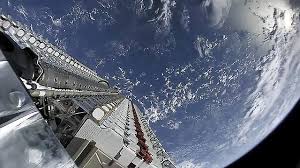
Due to limited access to the internet, many Iranian civilians cannot get in touch with family and friends, keep up with world news, or confirm current events happening in their communities. Some limited connections via satellites and VPN (virtual private network) technology have provided some infrastructure for brief communications, but the vast majority of the population does not have access to these options and they are extremely unreliable methods of communication.
Rising Civilian Casualties and Damage to Infrastructure
As the conflict continues to grow, the number of civilian casualties and infrastructure damage continues to increase. Independent monitors have identified high numbers of civilian deaths, including children, due to the catastrophic impact on civilian populations from this war.
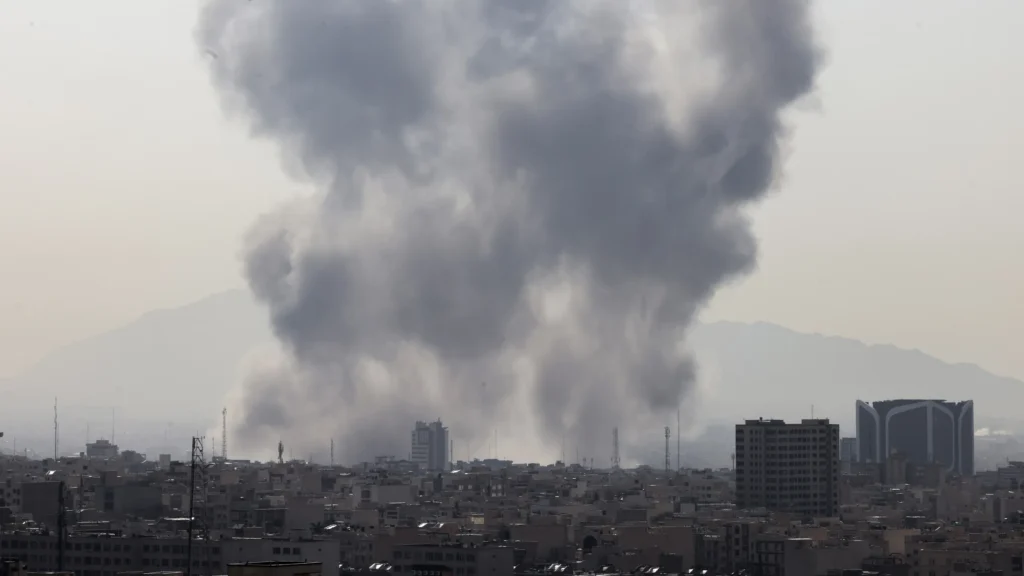
Also, numerous critical public facilities have been destroyed from these attacks, such as hospitals, schools, and residential areas. Many parties worry that there are insufficient protections for civilian sites in the course of military operations. A particularly horrific example of this would be when a school was attacked by strikes and resulted in community outrage and sorrow.
Humanitarian agencies have cautioned that ongoing attacks on civilian infrastructure may continue to lead to further instability in the region by disrupting the operation of health services, emergency response systems, and basic utilities.
Compounding the challenges of providing relief to those impacted by the conflict are deteriorating conditions due to destruction of road access, communications capabilities, and threats to security, which have hampered the ability of humanitarian agencies to reach affected individuals.
A Region on Edge as Conflict Escalates
Escalation in tensions as U.S., Iran, Israel engage in hostilities
As the U.S,. Israel, and Iran wage war against one another; concern for a regional war is mounting. The situation escalated after a coordinated assault on Iranian military headquarters and leaders occurred.
Iran has struck back against U.S. and Israel with drone and missile attacks targeting Israel and U.S. bases in the Gulf.
The ongoing exchange of attacks has impacted global marketplaces, international air route operations, and diplomatic relations among multiple countries.
For most civilians in Iran however, the fact that there are geopolitical consequences is less important than their current experience, which consists of how to survive amidst severe shortages, communication barriers, and constant fear. Many civilians are praying for a ceasefire to end the violence.
As the conflict moves into its most critical stage, the humanitarian situation inside Iran is precarious; millions of civilians are stuck in a rapidly rising conflict zone. click here for the source