
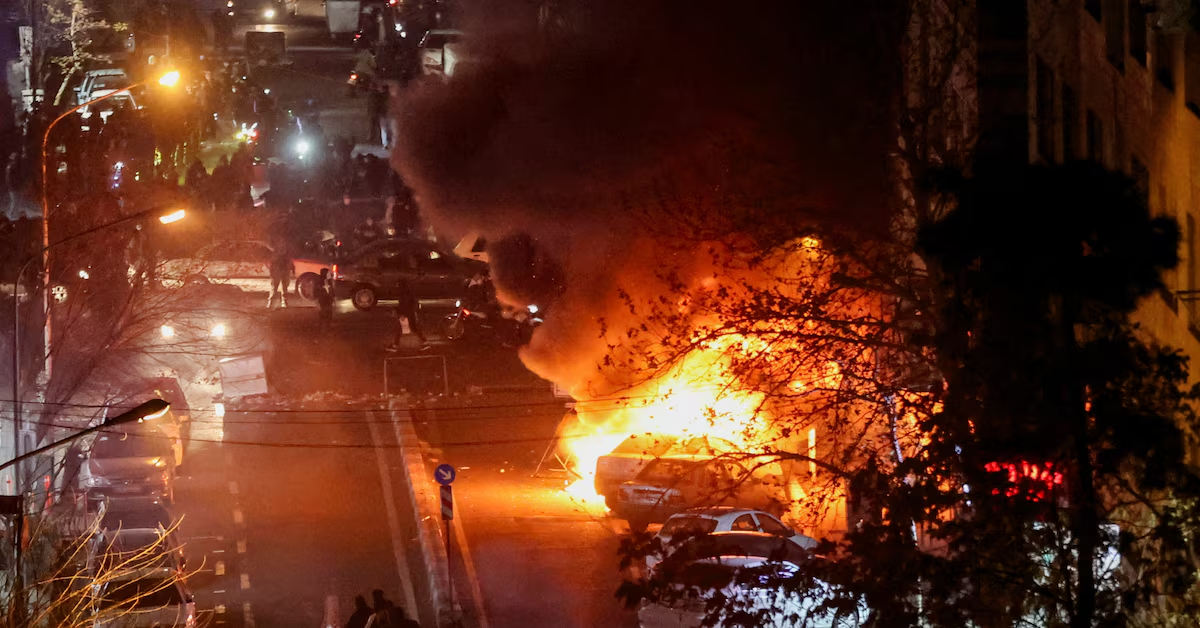
Iran is facing an unprecedented internal crisis that has resulted in the deaths of almost 2600 people, according to a report by HRANA (the Human Rights Activists News Agency), and it is the most lethal period of social unrest in Iran since the Islamic Revolution of 1979.
What began in late December as a small number of protests against rising inflation rapidly turned into a large anti-government uproar. Protests have now spread to many of Iran’s largest cities and protesters are expressing their extreme disgust at extremely high levels of inflation and significant economic distress and a very deep-rooted unhappiness with Iran’s clerical government.
The initial cause for the protests was economic in nature due to rising prices and a rapidly declining currency that resulted in a loss of faith in the government’s ability to execute and manage a successful economic policy. However, as protests continued, protesters expanded their criticism to include the Iranian political system as a whole and the legitimate authority of the Supreme Leader Ayatollah Ali Khamenei. This escalation indicates a vast difference between the Iranian people and the leadership that so many believe has continued to ignore the people’s economic challenges.
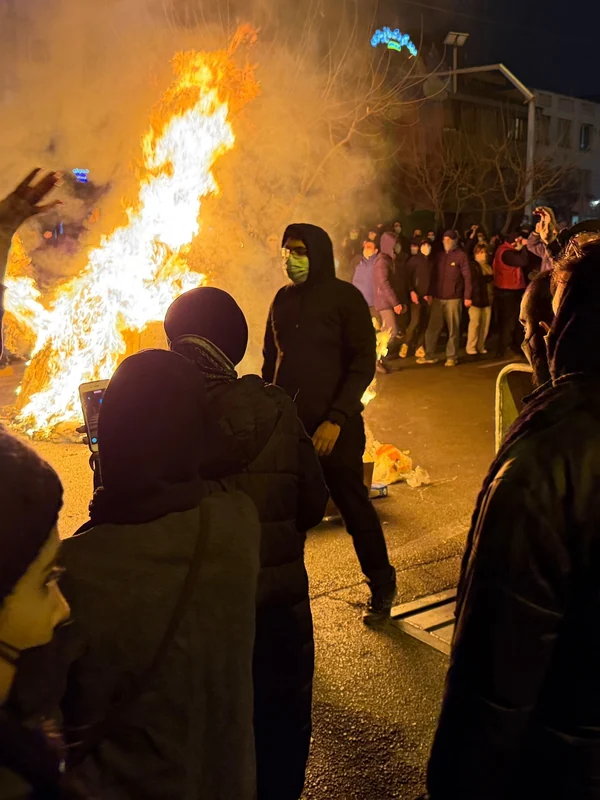
The Iranian government reacted by deploying security forces in all major cities and using internet blackouts and communication restrictions to prevent people from verifying what was happening in Iran. Activists and human rights organizations were still able to document the increasing number of deaths and the thousands of people who had been arrested.
Human Cost: A Iran Nation in Mourning
The dramatic increase in fatalities conveys an image of Iran’s increasing level of violence. According to HRANA, of the nearly 2600 deaths, approximately 2400 were protesters (at least 12 being children), while the remainder were of government-affiliated personnel or civilians who were not participating in protests.
As the number of injuries continues to rise, local hospitals have been overwhelmed by the influx of victims. Survivors have reported that local hospitals are chaotic, there is a heavy presence of security forces, and that many residents are terrified. Funerals for those who lost their lives during protests have become opportunities for residents to voice their grievances against the government in many cities. State Television is trying to frame these funerals as gatherings for “martyrs”; however, they are painful reminders of the high price paid by Iranian citizens for speaking out against government policies.
The sheer number of arrests (over 18,000 according to HRANA) compounds the human suffering associated with this situation, leaving countless families in anguish over their loved one’s whereabouts and future as Iran’s Judiciary Court seems to be aggressively pursuing offenders. Reports of certain detainees facing execution have evoked worldwide concern and outrage.
Political Reactions: Domestic and International Responses
From Iran’s perspective, the government states they are facing ‘terrorist’ elements and outside forces, as opposed to peaceful activists. The Iranian government has accused the U.S. and Israel of creating chaos in Iran and framing the violence as being directed by foreign supported groups. There is a large perception that there is still significant public support for the government, however, the massive size of the protests indicates that many people have significant resentment towards the regime.
The international response to this situation has been mixed. The U.S. president, Donald Trump, has publicly backed the protesters and stated that ‘help is on the way’ and is threatening reprisals to the Iranian government if they follow through with executing demonstrators. European countries and human rights organizations have denounced the harshness of the crackdown and have called for restraint.
Diplomatically, Iran is working with its regional partners, such as the United Arab Emirates and Turkey, to try to lessen any potential fallout from the protests and to keep the situation from escalating. Talks are being held at the highest level to reassure its neighbours that the crisis will not escalate to a regional conflict and to warn them of consequences should they intervene. click here for the source