

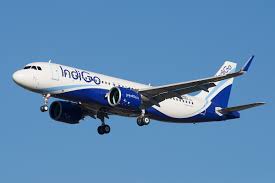
India’s largest domestic airline, IndiGo has cancelled a total of more than one thousand flights throughout India within the last week due to new regulations imposed by the Directorate General of Civil Aviation (DGCA) on the amount of time airline crew members can work before taking a break (Flight Duty Time Limitation) as well as restrictions placed on pilot landings at night. Because of the implementation of the DGCA regulations, IndiGo claims that they were unable to plan their rosters effectively because of unexpected operational difficulties caused by crew shortages, resulting in the cancellation and/or delay of many flights. Additionally, decreased on-time performance at both small and large airports resulted in IndiGo having an on-time performance rate as low as eight-and-a-half percent at some airports, with large numbers of passengers boarding terminals that did not have staff on duty to help them.
Impact on Passengers and the Travel Ecosystem of IndiGo
- Chaos and Stranded Passengers at Airports: On December 7, there were more than 200 flight cancellations, which occurred from multiple significant locations within India, including Delhi and Mumbai. Additionally, approximately 100 flights were cancelled in Hyderabad. Witnesses described people standing in long lines, confused and lost baggage, waiting for hours, with many people stranded in airports without food, help, or any clear information.
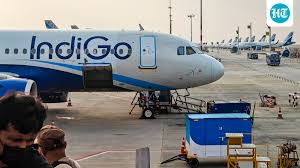
- Rapidly increasing airfare became apparent, as cancellations rose and passengers found themselves forced into alternate flights. This response led to the Government imposing Temporary Airfare Caps (Rs. 7,500 – Rs. 18,000 depending on distance) to prevent price gouging.
- The impact on the airline’s reputation and the ripple effects felt throughout the industry are a concern with the loss of trust in a single airline with over 60% of the domestic market share resulting in many disrupted travel plans, including wedding attendance, business trips and holidays, as well as other carriers and airports feeling the pressure from the quick change in demand.
What’s Next — Can IndiGo Recover?
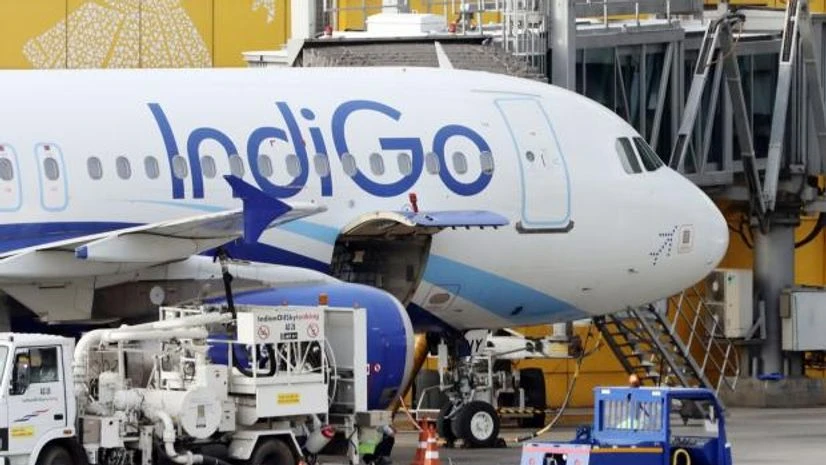
IndiGo acknowledged the disruptions going on and stated they were working “determinedly” with both airports and partners to return operations back to normal. They have also promised to offer refunds and the ability to reschedule via their website as well as their customer service staff.
Reports are coming out that DGCA has also granted IndiGo some temporary relaxed FDTL regulations as a way to ease immediate pressure off them.
Overall, however, full recovery appears to be very far away. Many industry analysts believe it could take multiple days (possibly even into weeks) to return to normal, depending on a wide variety of factors such as crew member availability, regulatory comfort, and resumption of stable roster assignments. click here for the source
Conclusion
The IndiGo crisis has been one of the largest disruptions in Indian aviation over the past few years and was precipitated by an operational imbalance because of the imposition of stricter DGCA duty time regulations. The disruption resulted in mass cancellations of more than 1,000 flights across India, with multiple airports seeing severe declines in on-time performance levels and highlighted just how fragile airlines are to regulatory shocks, operational mismanagement, and dwindling crews. Passengers have experienced extremely long wait times, confusion about the situation, and sky-high last-minute fares among many other inconveniences caused by the disruption. Temporary fare caps implemented by the government have illustrated how dire this issue was and the importance of protecting consumers when there is a loss of control over the market. IndiGo has made several public apologies, issued full refunds, and attempted to reorganize crew schedules.