

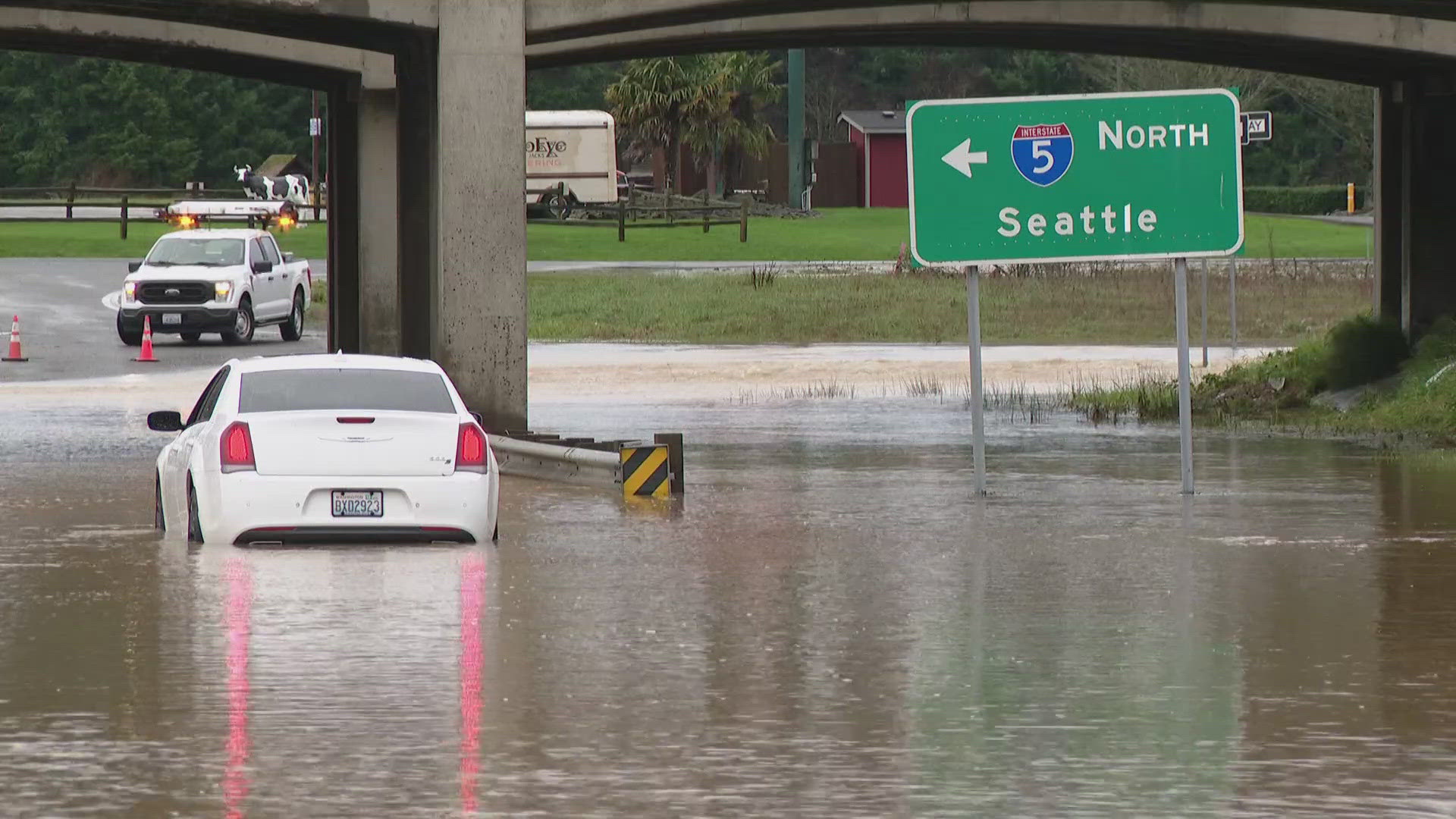
Due to unprecedented flooding from several days of extensive rainfall, Washington State has experienced an exceedingly high level of flooding that has affected numerous communities and displaced thousands of residents. The flooding was initiated by an initial storm which developed into a very high-intensity weather event that resulted in mass evacuations, damage to infrastructure, and activation of emergency response teams, including state and emergency rescue teams.
Governor Bob Ferguson issued a statewide emergency declaration in order to mobilize emergency resources and organize the emergency rescue operations related to the flooding across Washington State. Rivers such as the Skagit River and Snohomish River have reached or exceeded historical record flooding levels, and thus, all communities in western Washington are presently in a state of heightened alert due to possible further flooding. In this blog post, the reader will learn how the flooding began, and how it is currently affecting the state and communities in the area, as well as what occurs going forward as residents and response agencies manage through this ongoing emergency.
What Caused the Historic Floods in Washington?
The state of Washington has been hit hard with catastrophic flooding due to prolonged heavy rains that saturated the ground. Heavy rains were caused by an atmospheric river, which is defined as a narrow band of concentrated moisture from the Pacific Ocean. The heavy rains fell over many days, resulting in rivers and waterways becoming swollen very quickly. This weather system affected both urban and rural areas by overwhelming flood control systems in addition to requiring emergency action from authorities.
The Skagit River, which runs through Mount Vernon and its surrounding communities, crested at over 37 feet, exceeding previous record heights. In addition to flooding agricultural lands, the Skagit River also flooded residential neighborhoods. Other nearby rivers, such as the Snohomish River, rose to levels that required immediate evacuation of thousands of families.
Climate scientists agree that it is not possible to directly link any one event to climate change. However, they believe that an increase in intensity and frequency of extreme weather events (specifically atmospheric rivers) is consistent with overall increases in temperature due to climate change. These trends may lead to future flooding events being more likely, and possibly more critical, than in previous decades.
Read more- NES Conference 2025: Steering Naval Education into the NEP Era
The Human and Environmental Impact
The recent floods have had a major impact on people living in the areas affected by these floods, with approximately 78,000 residents being ordered to leave their homes and evacuate from flood-prone areas, primarily along the Skagit River floodplain. Many families were either trapped on rooftops or had to leave quickly before they could gather supplies and valuables from their homes as the floodwaters rapidly rose around their homes and roads.
In Sumas, Washington, which is located just south of the U.S.-Canada border, the floodwaters completely covered the town of Sumas, resulting in widespread evacuations and damage to infrastructure and caused the U.S.-Canada international border crossing to be closed.
Consequences
Emergency responders from the Washington National Guard, local fire departments and other agencies are actively conducting rescue operations by using helicopters to rescue people from flooded houses and vehicles. Many areas that experienced the worst flooding had helicopter evacuations, thus demonstrating how devastating the flooding has been.
WSLS
Flooding has also had a major negative impact on the environment. The floodwater destruction of farmland, erosion of soils, and introduction of contaminants into rivers and groundwater are just a few of the problems that flooding has caused for the environment. With many people displaced from their homes and habitats, along with the destruction of wildlife habitats, the environment is going to experience a huge challenge that will last for months (or longer) before it can recover.
Response and What Comes Next
Authorities at both the state and national levels are working collaboratively on a disaster response effort. The state governor’s declaration of a state of emergency allows for the quickest possible provision of resources, personnel and federal financial assistance to carry out search and rescue, recovery and rebuilding efforts.
The National Guard has been deployed in support of impacted communities, and emergency shelters have been opened to provide temporary housing for dislocated residents.
As additional storms are expected to produce more rainfall and could significantly worsen already saturated flood- affected areas, Disaster Response Coordination Teams are closely monitoring weather forecasts. Because many rivers across the state remain at or above record flood levels, any moderate rainfall could exacerbate flooding, create landslides and cause infrastructure failures. click here for the sources
Conclusion
Local governments and disaster response agencies are currently evaluating and assessing the damage from these storms as well as making long-term plans for increased Community Resilience by developing new floodplain maps, enhancing storm prediction (early) warning systems, and increasing public awareness of Community Preparedness initiatives.
Local officials encourage residents to remain aware of any emergency alerts issued by their local emergency management agency, to follow any evacuation orders received, and to take necessary precautions to remain safe during the current crisis.