

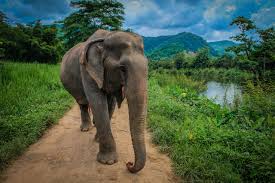
Once again, the wild elephant has made headlines for another tragedy in Thailand. On 2 February 2026, a 65-year-old Thai tourist was killed by a wild elephant at Khao Yai National Park in the central part of Thailand; this marks the third death connected to this same elephant as reported by local officials.
The traumatic incident took place early in the morning at a campsite within the Wang Nam Khiao subdistrict of Nakhon Ratchasima province, where the victim, named Jiratchai Jirapathboonyathorn, was walking around the campsite when he came across the elephant (affiliated with local names of Plai Oi Wan or Oyewan). The elephant attacked him with its trunk and trampled him to death about 20 metres from his tent. Campers who witnessed the attack remained at a distance due to fear of the safety risk associated with being close to the elephant.
According to park personnel, this current elephant was in musth, a natural hormonal cycle that makes male elephants aggressive and unpredictable. The two previous deaths connected to this elephant have resulted in park officials identifying this elephant as one that is extremely dangerous.
Read more- Gaza’s Rafah Crossing Reopens for Limited Travel: A Lifeline Amid Cease-Fire Hopes
A Pattern of Deadly Encounters
The estimated number of people killed by wild elephants is over 220 since 2012, with many of these deaths occurring due to increased overlap between human and elephant habitats, say wildlife authorities.
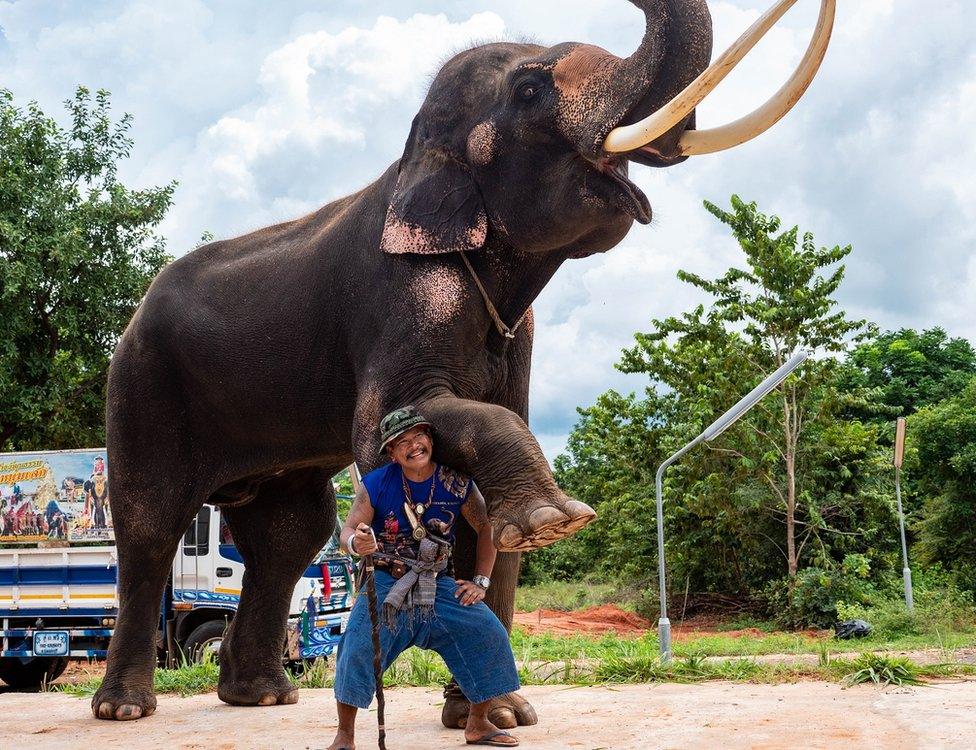
The growth of the wild elephant population in Thailand (from an estimated 334 in 2015 to nearly 800 in recent years) complicates the management of human-elephant interactions. There are now efforts being made to control the population through contraceptive vaccinations as well as reduce conflict between humans and elephants.
Fatal human-elephant encounters cannot be limited to Khao Yai. In recent years, various incidents throughout Thailand have illustrated the danger posed by the close proximity of humans and wild elephants. Some deadly encounters between humans and elephants occurred in wildlife sanctuaries while others have taken place while people were performing everyday activities, such as farming or hiking.
What Officials Are Doing
Following the recent tragedy, Khao Yai National Park’s officials and local law enforcement officials arrived on scene and moved the elephant after it was attacked. The authorities stated that they will be meeting later this week to discuss possible next steps such as moving the elephant to a different location or using behavioral techniques to modify the elephant’s behavior.
Finding a new home for the elephant may include relocating the elephant to a wildlife management area or sanctuary. Relocation is an extremely complex procedure and should be thoroughly planned so that both people and animals are protected.
Safety and Tourism in Thailand
Khao Yai is known as one of the top national parks in Thailand for its jungles, waterfalls and wildlife. Many people visit Khao Yai for safe encounters with animals. However, this incident shows that wildlife tourism and human-animal conflicts can pose danger as well.
Authorities regularly issue safety alerts and remind visitors to be vigilant, obey park rules and not approach or disturb wildlife. Regardless of this, it is still difficult to prevent all encounters between elephants, particularly male elephants in musth, as their behavior can be highly unpredictable.
This unfortunate incident may cause re-evaluation of the trade-offs between wildlife conservation and visitor safety, especially in areas where an increase in wildlife and tourism are happening at the same time. click here for source