

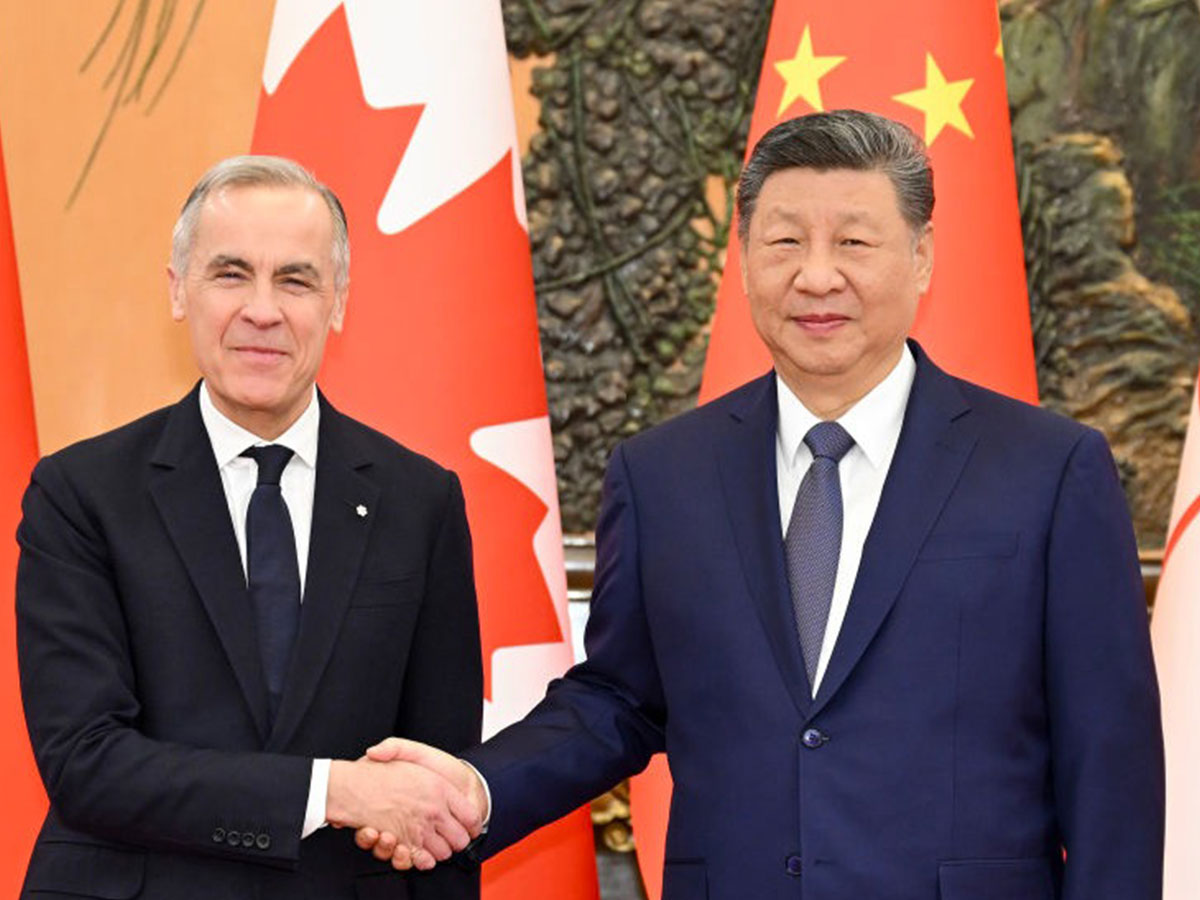
There could be a large effect on the future of global commerce as a result of the formation of a Chinese-Canadian partnership since it would connect a G7 country with a significant economic power like China. While Prime Minister Carney was in China this week he signed a Comprehensive Economic Partnership Agreement that will promote increased co-operation and collaboration between Canada and China on Trade, Energy, Agriculture, and Finance. According to Mr. Carney, the Agreement is both unprecedented in terms of its scope and potential.
As a part of the renewed partnership and enhanced co-operation between the two nations, an Initial Agreement was also signed that will promote Trade in Electric Vehicles as well as Certain Canadian Agriculture Exports. This agreement will contribute to the economic development of both countries by eliminating tariffs on Canadian electric vehicles going to China and eliminating the high tariffs that had previously applied to Canadian agriculture exports to China. The Initial Agreement is the result of several months of diplomatic negotiations that reflect both nations’ strong interest in achieving a mutually beneficial, economically viable relationship that is not solely dependent upon their respective domestic markets or product lines.
Read more- New Year 2026 Resolutions That Actually Work: Simple Goals for a Better You
Tariff Cuts on EVs and Canola – A Central Pillar
One of the most immediate outcomes of the discussions mentioned above is Canada’s agreement to allow for lower tariffs on Chinese electric vehicles. Under this agreement, Canada will now allow for up to 49,000 imported electric vehicles from China per year to be subject to a reduced tariff of 6.1%, which supersedes the previous 100% tariffs imposed due to the previous trade tensions between the countries. This new baseline tariff effectively brings back the status quo prior to the recent trade conflict while also representing a tangible sign of increasing economic cooperation between the two nations.
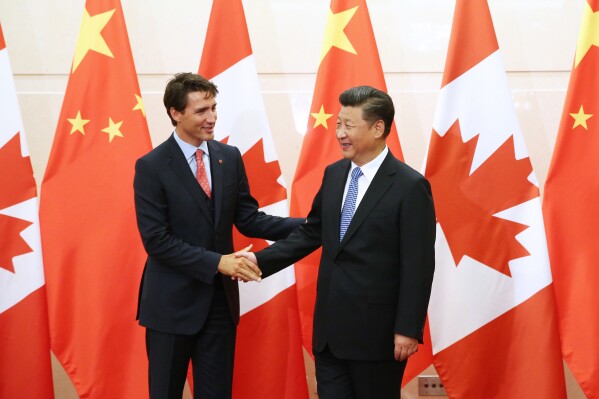
In exchange for Canada lowering tariffs on Chinese electric vehicles, China has agreed to reduce tariffs on Canadian agricultural products, specifically canola seed, which is a vital product for Canadian farmers. By March 1, 2023, China will reduce its canola seed tariffs from approximately 84% to 15%. This represents an incredible decrease that will open up billions of dollars in new export revenue and help reinvigorate one of Canada’s most valuable agricultural sectors. In addition to canola seeds, other important Canadian agricultural products such as canola meal, lobsters, crabs, and peas will be free from discriminatory tariffs through at least the end of 2023.
Beyond Tariffs: Wider Economic Cooperation
Headlines may be focused on tariff reductions, but the Canada to China Partnership is much broader than just Electric Vehicles and Farm Products. Carney along with Chinese Leaders have identified opportunities for greater collaboration in areas including energy, Clean Technology, Climate Competitiveness, and Finance. Both countries can leverage their respective strengths to create mutual benefits in these sectors.
For Canada, the diversification of Trade Partners is a logical response to changing economic conditions globally and demonstrates a practical approach; given the escalating Tariffs and hostilities experienced by Canada as a result of the US Trade Policy during the Trump Administration, China has been keen to establish a more reliable Trading and Investment Partnership with Ottawa.
Through videoconferencing Xi Jinping has stated that these partnerships are a result of adapting to new realities of global geopolitics, where the traditional Geopolitical Alignment of Nations is no longer consistent with the realities of the Global Economy and Global Trade. These remarks indicate that China has made an explicit effort to develop resilient Partnerships with Nations outside of its Immediate Sphere of Influence.
Economic and Geopolitical Implications
The Canada-China relationship will have far-reaching consequences on global trade and geopolitics. Economically, the overall reduction of tariffs could create almost $3 billion in new exporting orders for Canadian businesses, especially in agricultural and automotive supply chain sectors, as well as potentially providing Canadian consumers with access to less expensive EV imports as Canada continues to transition towards a lower carbon economy.
Politically, this trade partnership represents Canada’s objective to establish its own independent foreign policy separate from that of the U.S., while maintaining its historical alliance with the U.S. but also supporting Canada’s sales of goods into the Chinese market. Some analysts believe that this pragmatic perspective may be viewed as an indication that Canada’s era of automatically aligning its foreign policy with U.S. policy is slowly eroding, at least in certain areas of economic policy.
The agreement, while generating much excitement, remains in its infancy stage and will come under rigorous domestic scrutiny from Canadian industries concerned with competitive pressures and the potential long-term effect on their domestic market positions. Nonetheless, as both countries continue to work on deeper partnerships, this agreement may mark a significant change in how middle powers engage with each other in a multipolar world. click here for source